



-360x210.jpg "The Various Health-Promoting Benefits of Polyenylphosphatidylcholine (PPC)")

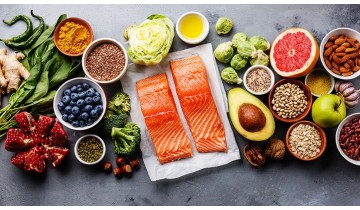
According to the Singapore Cancer Registry Annual Registry Report 2015, around 35 new cancer cases are diagnosed every day. Through 2015 to 2017, the percentage of total death in Singapore contributed by cancers is ranked number 1 among other causes like stroke, heart diseases and diabetes, with 29.1% out of 20,905 death cases in the year of 2017. The alarming data necessitates the summon of avengers that can salvage us from cancer occurrence. Among the modifiable risk factors of cancers, dietary pattern is an important determinant in influencing cancer occurrence.
Validation of the whole-body benefits of green tea continues to grow.1-6
A human study published in The Journal of the American Medical Association found that consuming 5 or more cups of green tea daily was associated with a 26% lower risk of cardiovascular death.1
A meta-analysis found that for every 500 ml-per-day increase in green tea consumption (about 3 cups), the risk of cognitive disorders decreased 29%.2

Scientists are discovering new ways that NAD+ facilitates healthy longevity.1-3
NAD+ levels markedly decline with age, creating an energy deficit that decreases the body’s ability to retain youthful function.4
To give you an idea how impactful NAD+ can be, by age 50 a typical person may have only half the NAD+ they did in youth. By age 80, NAD+ levels drop to only 1% to 10% expressed in youth.
Deficiency of NAD+ predisposes us to accelerated aging and impedes our ability to fully benefit from resveratrol.
Fortunately, it is easy to restore your cellular NAD+ to higher ranges.

Social Login